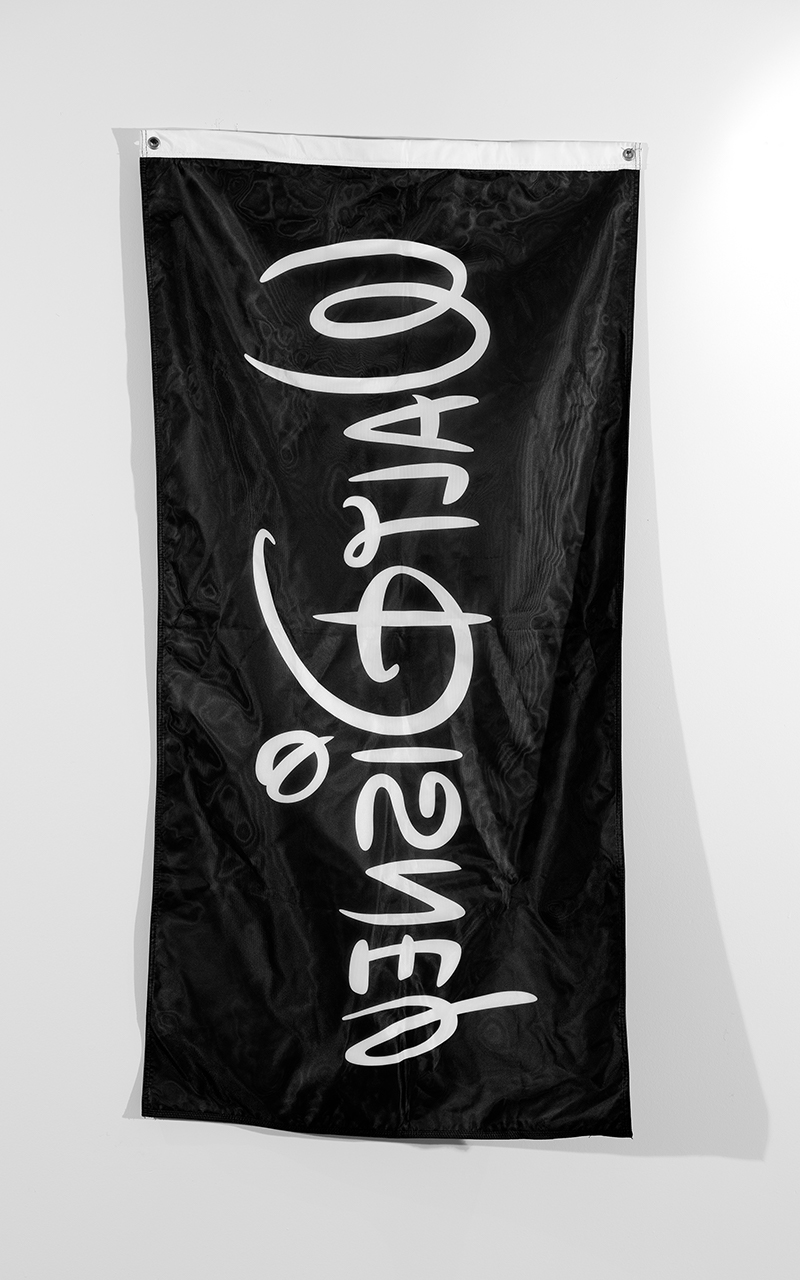
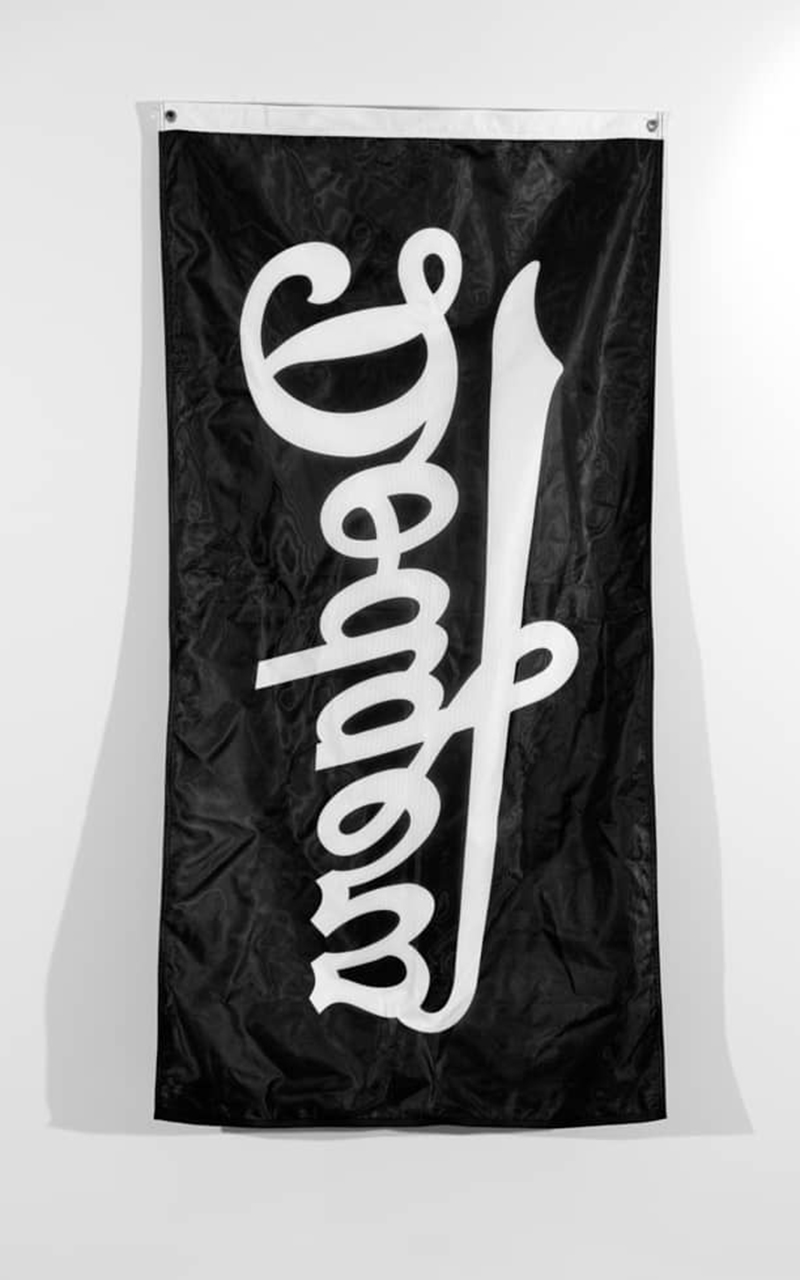
Three Flags Over Los Angeles (2016)
Douglas Coupland
Nylon
Last month I was going through a boxload of books from my mother’s house and found her “Y2K Preparedness Handbook.” It was amusing to see, but it was also depressing to be reminded of how easy it is to terrorize human beings. It’s almost as if human beings need to be terrorized, and that it’s our natural default response to most any situation. Having lived through the 1970 October Crisis, I saw firsthand how (what turned out in the end to only be thirty-five) FLQ members shut down an entire country. Since then, there have been countless new terrorist entities, many of which, in hindsight, can be largely seen as carefully constructed mirages. Take Greece’s 2012 financial crisis: “You mean to say that if Greece defaults on its Euro-loans, it could trigger a chain reaction that could, in turn, cause the collapse of the EU and quite possibly the entire global economy?” Terror has definitely upped its game since 2012.
Linking theology to terror is a classic gambit for those seeking control a place or situation, and it remains the best way to get bang for your terror buck. The process of fusing religion to terror actually has a name. It’s called all of human history, and as we continually see over and over, both society and history enjoy giving almost unlimited airtime to almost any fresh new terror rebranding. Such was the case with ISIS, who truly came into their own in the years between 2010 and 2020, seem to have lost their thrust in recent years, but will, I’m sure, be back again soon enough. The thing about ISIS was that they would do (just like Europe in the Dark Ages) almost anything to other human beings to foster a sense of terror. To terrorize you need to shock, and a successful terrorist is one who elicits the response: “I can’t believe they actually did that.” As a life pro tip, I’d say that the moment you find yourself saying “I can’t believe they actually did that” in any situation means you’re dealing with people who mean business, and being nicey-nicey won’t cut it.
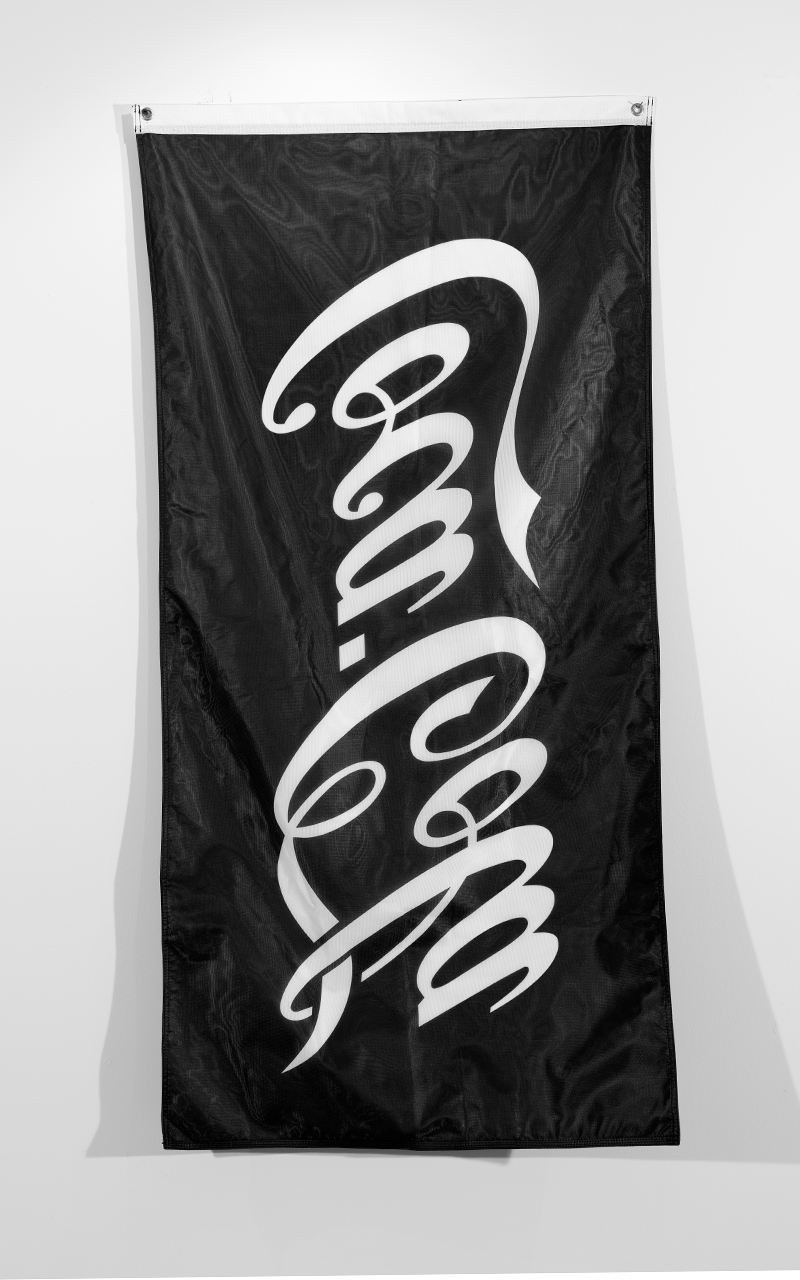
In 2016 I decided to investigate ISIS’s branding: its highly recognizable black flag with Arabic characters. It was for a show in Los Angeles. My idea was to create three flags that evoked fear from a distance, but was neutralized upon seeing them up close. The fear is the dark side of terror; the relief is the refuge of secularity. I chose three logos that resemble (in some way) Arabic script, but also spoke of Los Angeles. To this end I worked with the logos of the LA Dodgers, Coca-Cola and Walt Disney, printing them in white, reversing them, and placing them upside-down onto black backgrounds. When I sent the files to the printer, I got an email back from him saying, “Doug, what the—?” I told him to look at them a bit more closely at the text. Phew. A big point of this whole exercise was to foreground the idea that history comes and goes and that more often than not, what was once the boogeyman ends up quickly stale-dating as our one true enemy, time, passes and turns everything to peace.
Douglas Coupland